Dr. Emily Humphries, OTD, OTR/L
“MOM, WHAT’S THAT?!” she says (at full volume), pointing at a child using a wheelchair.
And suddenly, you’re giving an on-the-spot lesson about disability, kindness, and inclusion—while quietly hoping you say the right thing. Kids are naturally perceptive and curious-and how we respond to these moments of curiosity matters.
When we shut down these conversations, kids don’t stop noticing differences. They just fill in the gaps on their own-sometimes with discomfort or fear.
Instead of teaching kids to tip-toe around the topic of disability, we can take advantage of these everyday moments to build understanding and inclusivity. Here are a few strategies that grown-ups can use to raise kids who value diversity and inclusion:
Use Neutral, Matter-of-Fact Language
Keep it direct and neutral. It’s okay to say back: “That’s called a wheelchair. Some people walk, and some people use a wheelchair to get where they want to go.” You might add: “Do you want to go say hi?” as you might with any child at the playground.
This teaches kids that everyone moves through the world in their own unique way-and that mobility aids are simply a part of life. Try to avoid focusing the conversation on what others “can’t” do. Instead, emphasize that differences are a part of life.
Use Stories to Build Understanding
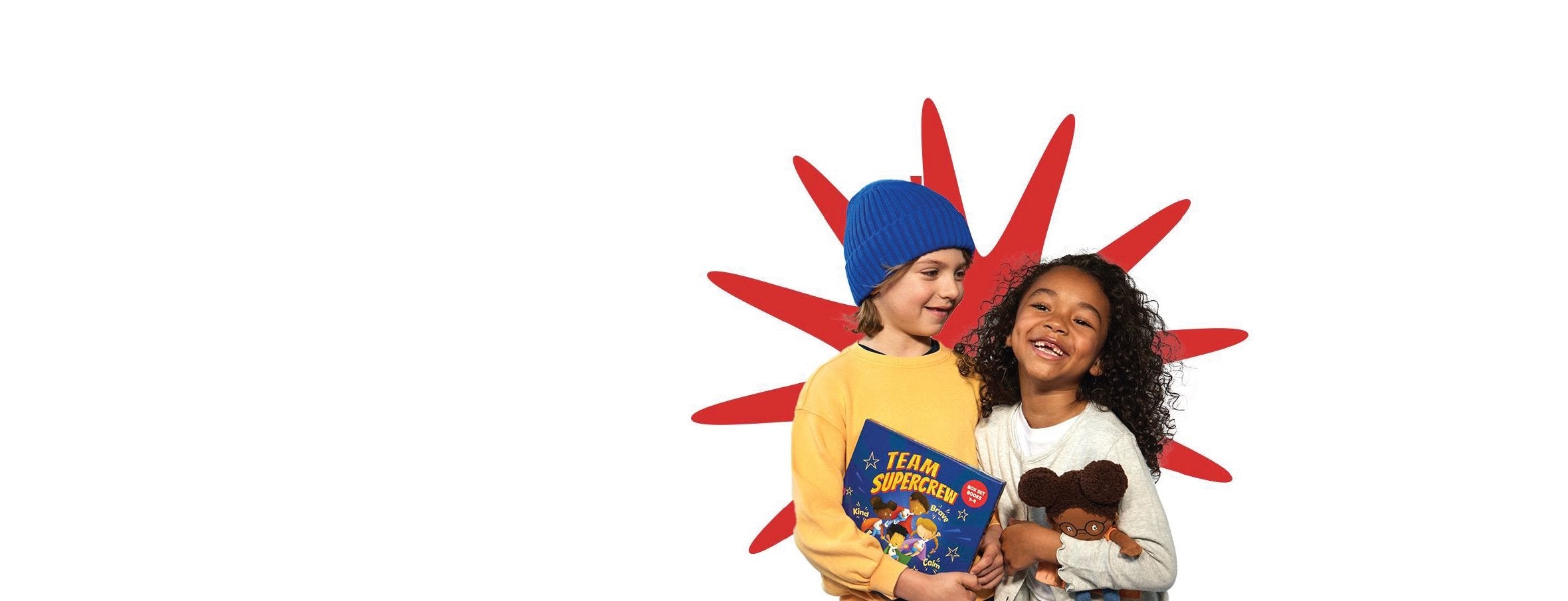
Books are a powerful way to cultivate empathy in kids. When children are exposed to characters with different abilities, they begin to understand new perspectives—and see that kids who are different are still kids-and potential friends.
As you are reading, pause and ask:
“How do you think they’re feeling?”
“What would a good friend do in this situation?”
To help build empathy and perspective.
Model Inclusivity
Kids learn how to respond to new situations by watching us. When we treat new situations with kindness and respect, kids learn to do the same.
This can look like:
- Smiling or saying hi to new people.
- Prioritizing using respectful language.
-
Normalizing differences by not staring
When we model inclusivity and talk openly about differences, we teach kids something powerful: Everyone’s story is different, and that’s what makes us stronger.